What Causes a Leaky Kitchen Faucet?
The most obvious plumbing problem that a leaky faucet can conceal is a more serious one. In some cases, the leaky faucet is just a symptom of a larger issue. In other cases, the faucet is simply leaking water from a weak point in its pipes. When this occurs, "hard" water is used in your faucet. Hard water contains dissolved calcium and iron, and the resulting scale can be very costly to remove. The constant drip from a leaking faucet exposes your sink to a buildup of these elements over time.
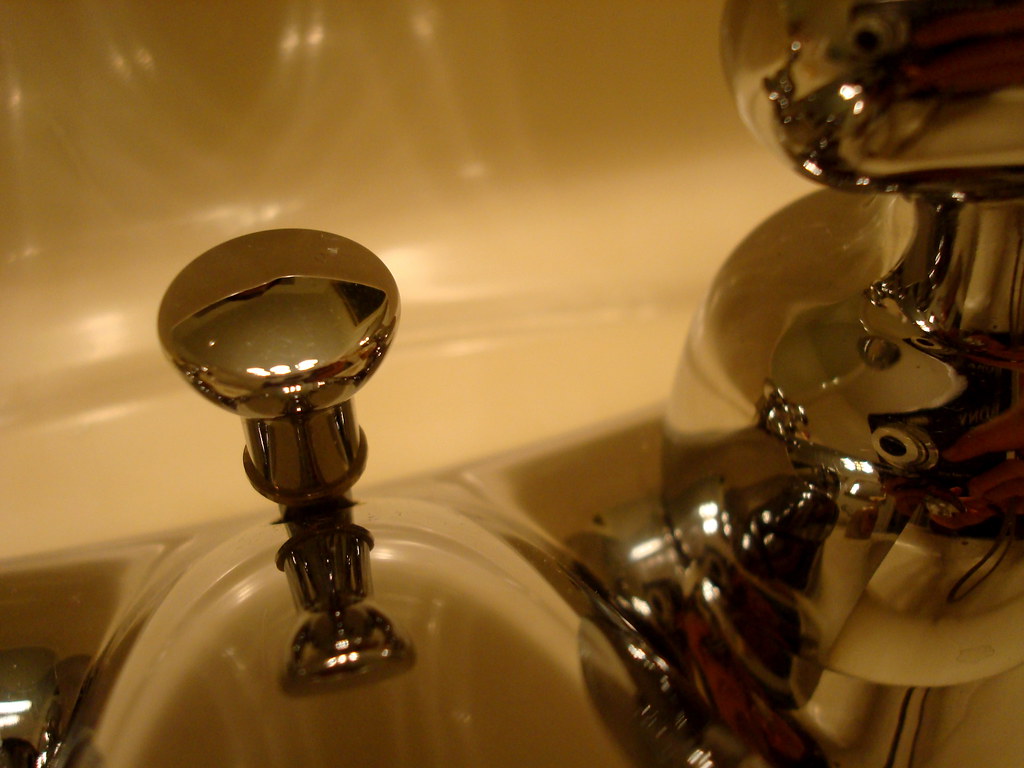
One of the most common causes of a leaky faucet is a cracked or dried-up O-ring. This o-ring holds the handle of the kitchen sink taps in place. However, this O-ring can dry out or crack over time, allowing water to seep through. To repair this problem, contact an expert in plumbing, such as On-Deck Plumbing. These professional plumbers will be able to diagnose and replace the problem and get your faucet back up and running again.
Another common cause of a leaky faucet is a damaged washer. This can occur when the washer is in the wrong place. Other common causes of leaky faucets include corrosion and a worn valve seat. To find out the exact cause of your leak, call a plumber and ask them to inspect the faucet. If you notice that the O-ring is worn, it's time to replace it. A new washer will help stop the leak before it leads to more serious problems.
When you suspect that your faucet is leaking, first check the water supply lines. There may be a faulty pipe or fitting. If you see a leak, check these connections. If the fittings are tight, you can solve the problem. If the fittings are loose, you may have to replace them. Wearing down parts of the faucet can also cause a leak. It's best to call a plumber to fix the problem.
Another common cause of a leaky faucet is a faulty O-ring. The O-ring holds the faucet handle in place, but it can be corroded and become loose. If this is the case, you should immediately replace the O-ring to prevent the mold from spreading. If the leak is in the handle, it's important to inspect the O-ring and the water supply lines. It may be necessary to have the O-ring replaced if the leak continues to occur.
If you're replacing the parts yourself, you can take the old ones with you. If the o-ring is corroded, the seat may need to be replaced. If the seat is damaged, you can simply replace it. Alternatively, you can take the old part with you and replace it. If the o-ring has been damaged, you can remove the stem. If the seat is damaged, you can change the stem as well.